01
Raw Material Testing
Incoming raw material is tested in our laboratory before it is issued to the melting shop.

Quality
Our quality approach begins with clear specifications and continues through production planning, inspection and material verification.
Each requirement is checked for alloy, shape, dimensions, tolerance and end-use before production planning.
Physical and chemical checks support material consistency across copper, brass and alloy products.
Clear records and stable communication help customers reorder known profiles and sizes with confidence.
Manufacturing Process
We follow a practical, inspection-led process so every product is reviewed at the right stage for chemistry, dimensions, physical properties and customer temper requirements.
01
Incoming raw material is tested in our laboratory before it is issued to the melting shop.
02
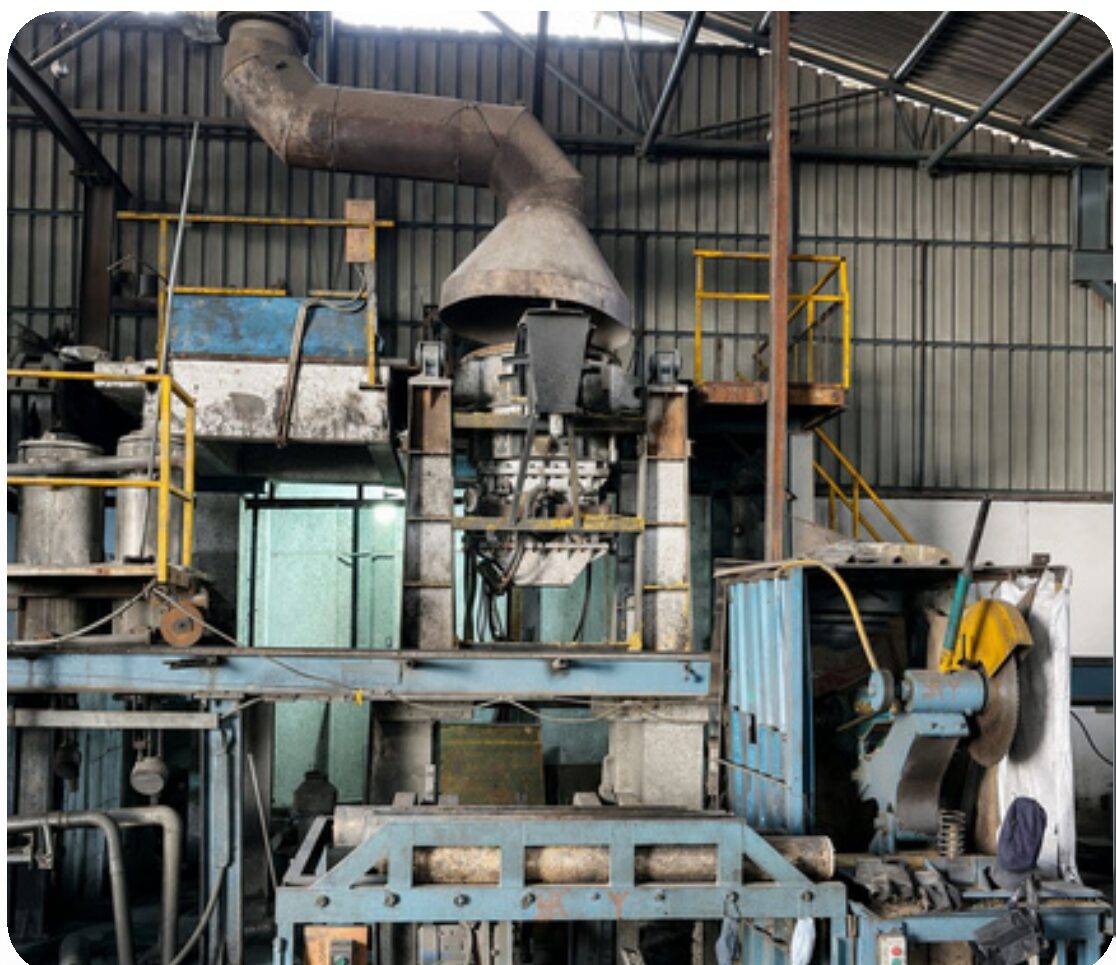
Raw material is molten and cast in water-cooled moulds, then cut into billets of suitable length.
03
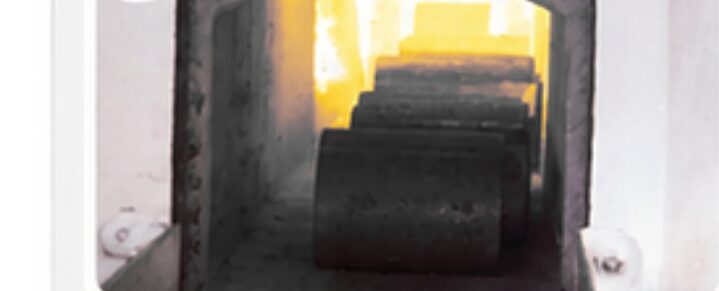
Billets are pre-heated to the proper extrusion temper and extruded into mother tubes, rods or sections.
04
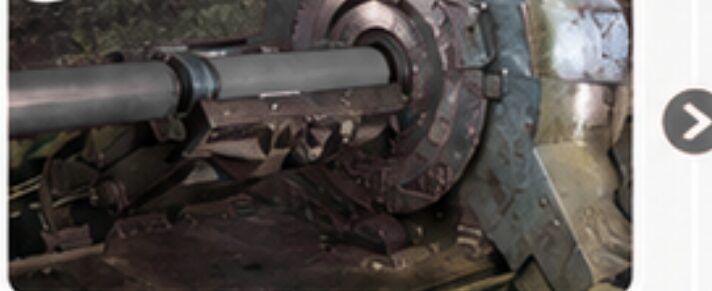
Mother tubes, rods and sections undergo pickling if required, followed by pointing, cold drawing and intermediate annealing where needed.
05
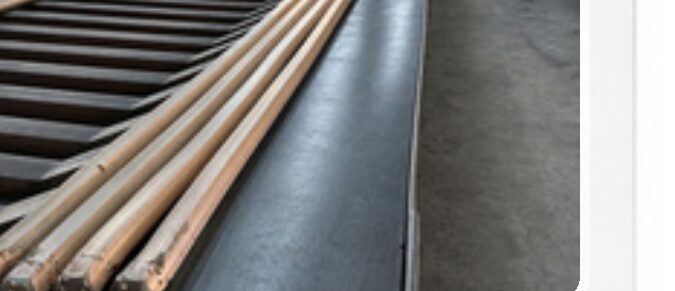
Tubes, rods and sections are straightened. Tubes can undergo Eddy current testing or hydrostatic testing as required.
06
Products are annealed for soft temper or drawn further for half-hard and hard temper, then checked visually and dimensionally before packing and dispatch.
Finished products can undergo flaring, flattening, physical properties and grain size tests before packing, based on product type and customer requirement.
Industrial buyers often know exactly what their component or process requires. Our job is to translate that requirement into a clear production path, whether the product is a standard rod or a custom extruded section.
You can share drawings, standards, alloy expectations, tolerances and volumes so our team can respond with informed, production-ready guidance.